I’ve always been very entrepreneurial. In high school at various times I had a printing company called The Caterpillar Press (and set lead type by hand), a comic book sales company called California Comic Sales (CSC) and published a magazine for military miniature painters called Militaria Report.
I started tinkering with electronic kits even before taking an electronics class in the 11th grade. Most of it was to support my interest in music studio recording. A classmate and I started a company to make “fuzz” boxes for guitars, and I also ran a sound studio out of my mother’s house. In 1977, while working for Hughes Aircraft as a Master’s Fellow, I co-founded a company called MicroDaSys to develop what later came to be known as “PCs”.
After Epcot opened in 1982, I continued to work for WED until Christmas of 1983, first as the Ride Systems Engineer for Imagination, then programming the parkwide monitoring system and helping open Horizons October 1, 1983.
In early 1984 I returned to California, and took a position as the Director of Engineering for Cambrian Systems, managing an engineering department of 45 people designing hard disk drive certifiers and development systems. But I wasn’t really happy being out of the entertainment industry, and soon took a position as the Vice President of Engineering for Linn Electronics, the inventors of the digital drum machine. Then in 1986 I founded Alcorn McBride Inc., and began developing musical instruments and theme park electronics for others.
Early Ventures
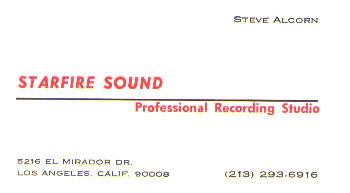
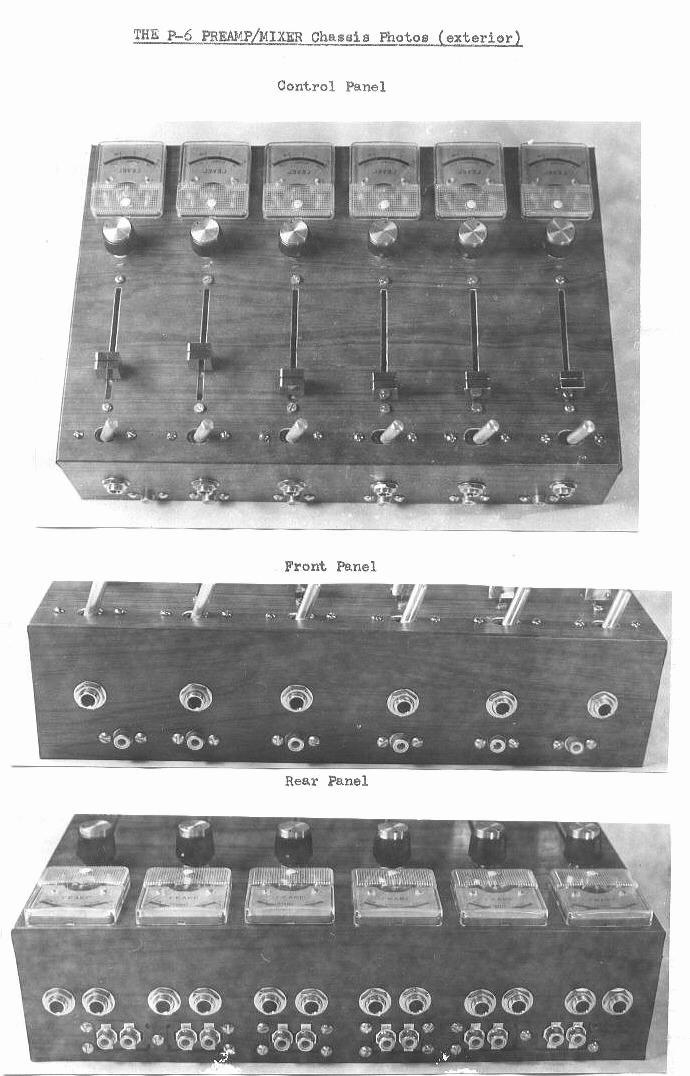
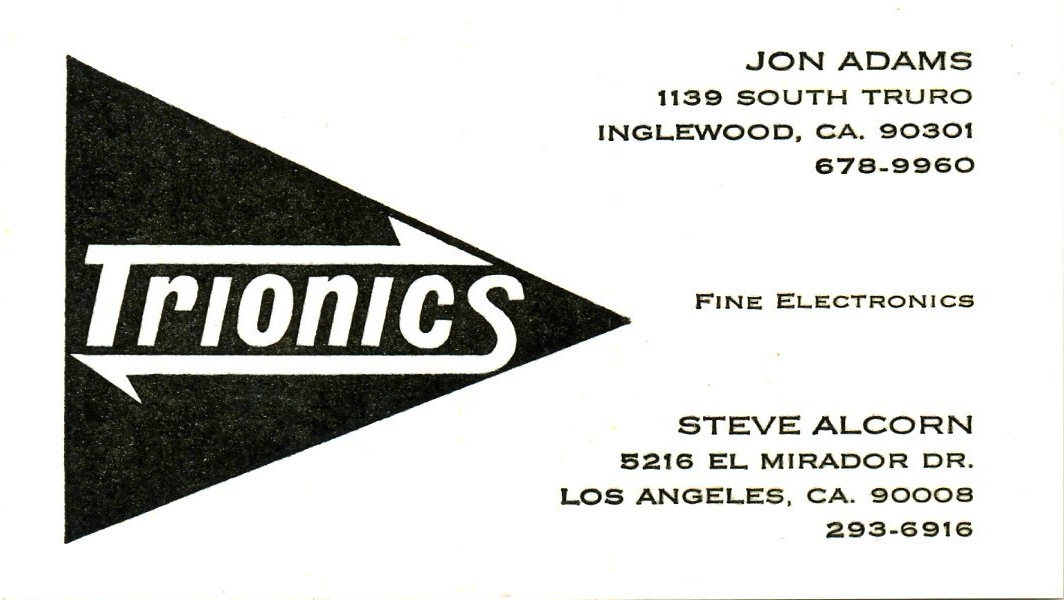
One of my many teenage entrepreneurial efforts, Starfire Sound was a recording studio that I built in our guest room.The very first electronic product I ever designed and built, for an electronics class in 1972. It was a multi-channel mixer and preamp. It almost worked.Trionics, a partnership with Jon Trent Adams. We made guitar fuzz boxes. By hand. For $10.
MicroDaSys (1977-1981)
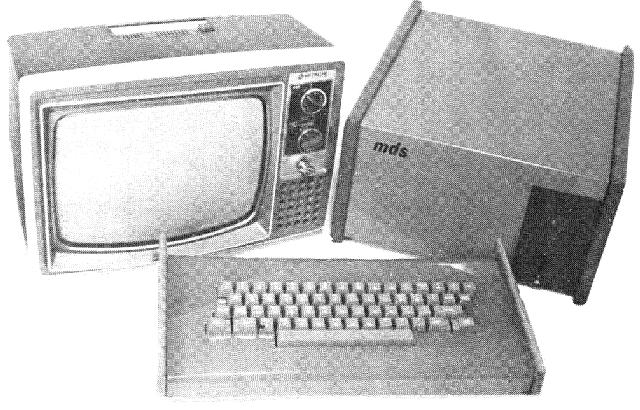
My first real company. MicroDaSys was a computer maker in the days before the IBM PC was invented. Originally selling kits, we later ventured into business systems and the 68K, a predecessor to computers like the Macintosh.
MicroDaSys was originally called Micro Data Systems. Unfortunately that name was already taken. Then we named it MDS. Unfortunately, that name was taken, too. So finally we settled on MicroDaSys. Nobody else wanted that name!
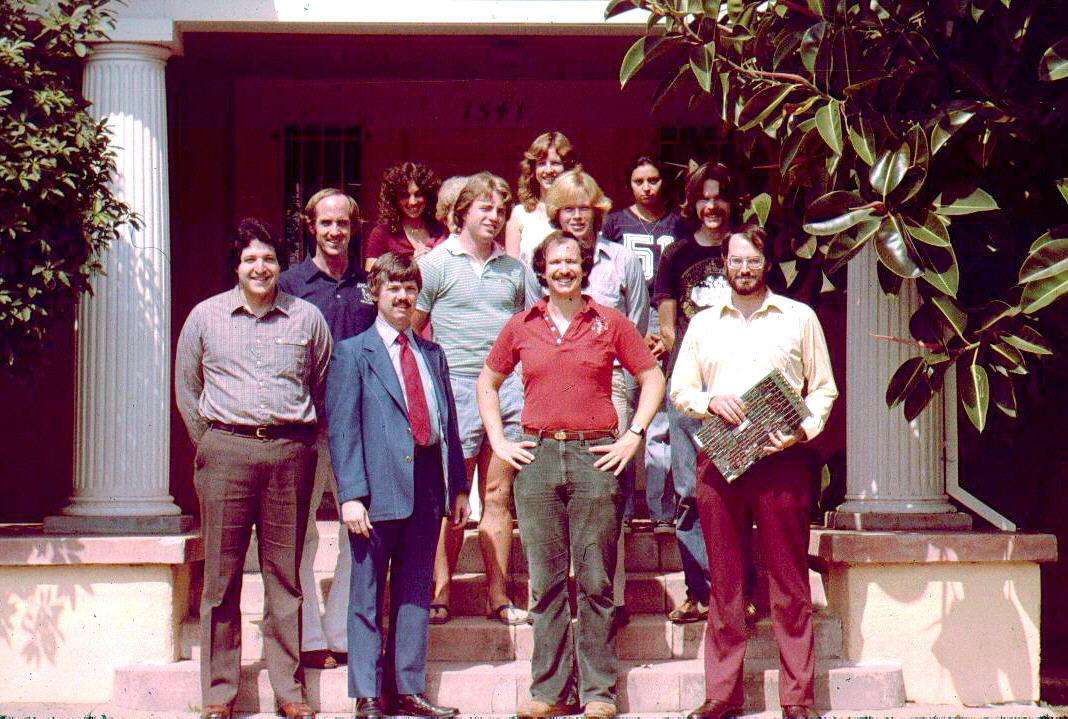
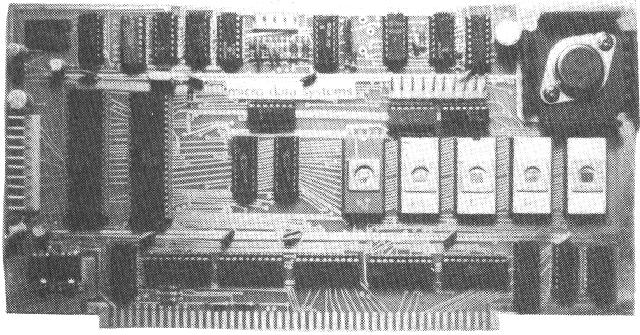
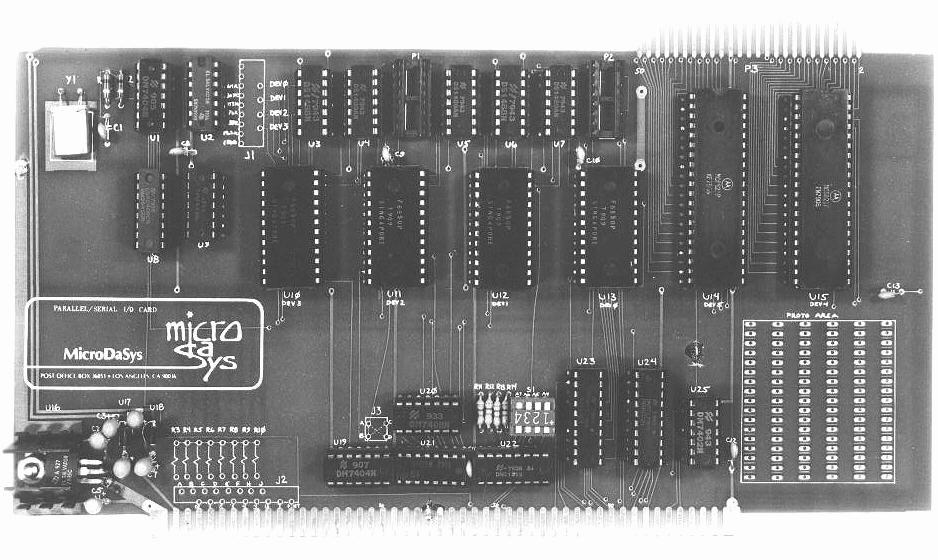
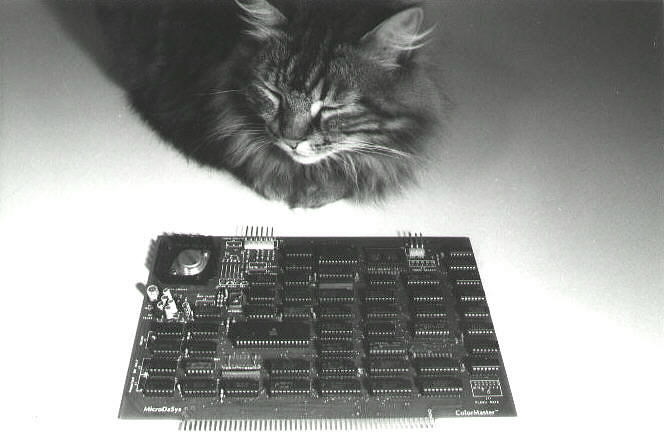
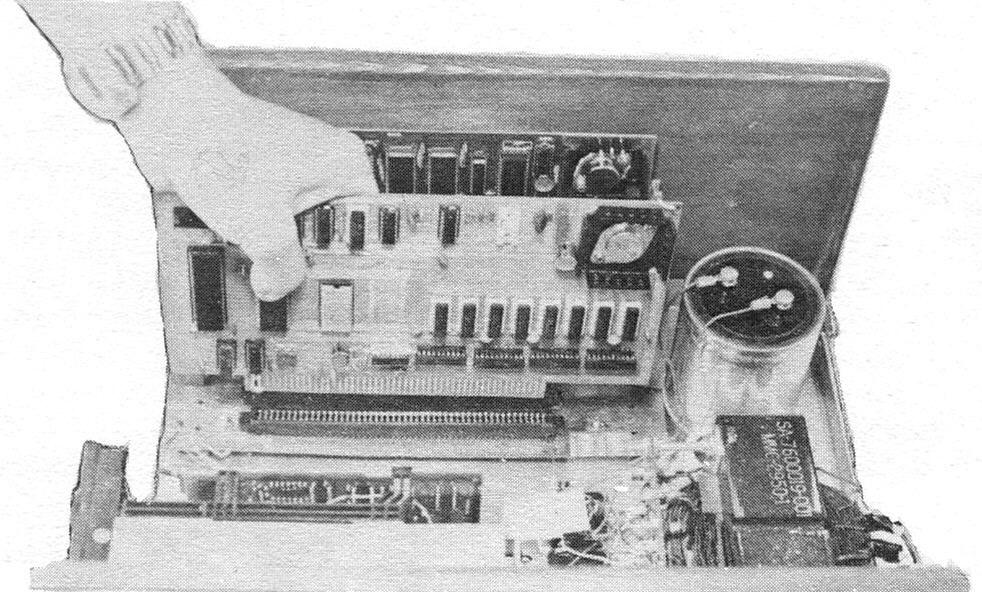
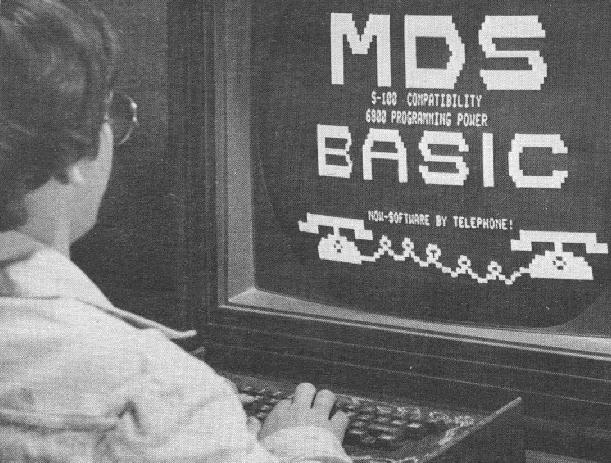
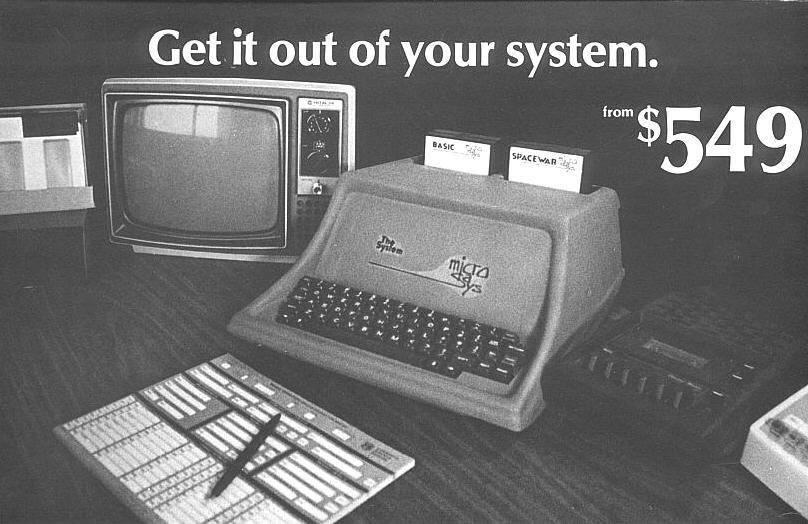
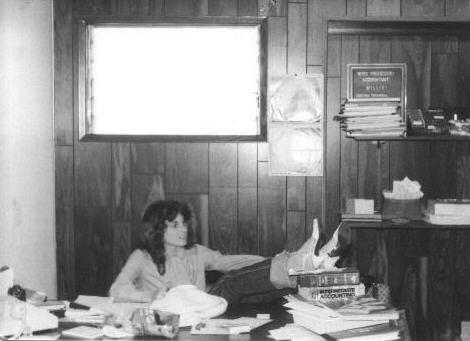
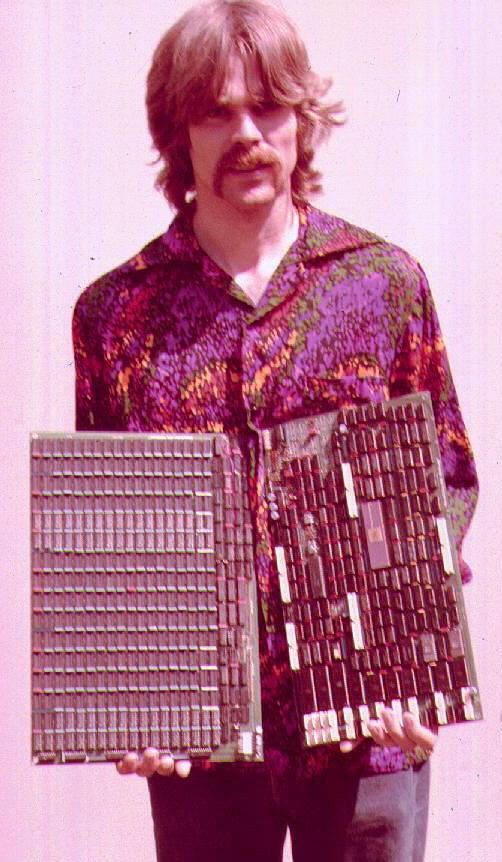
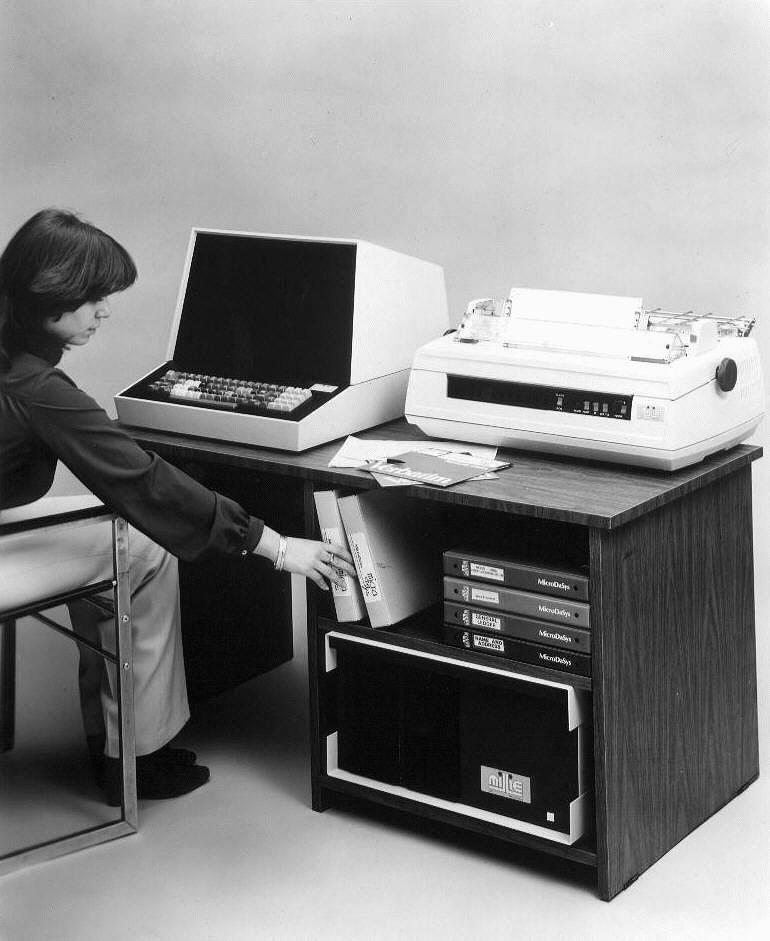
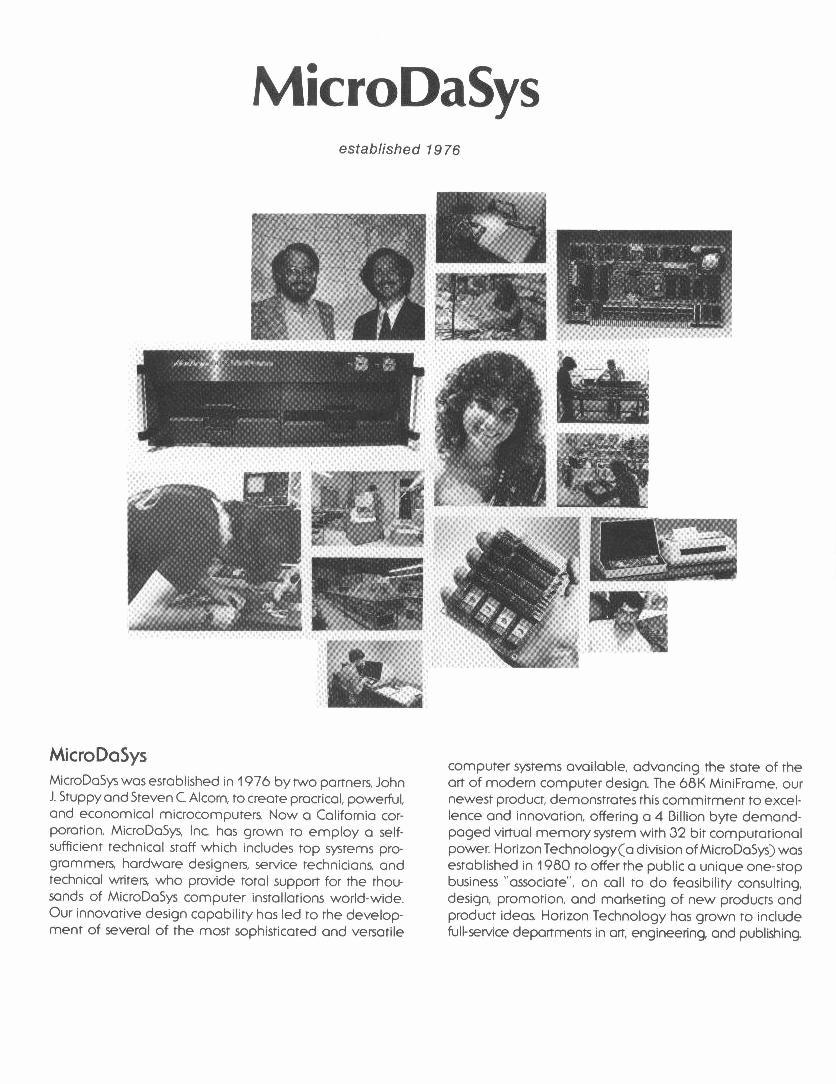
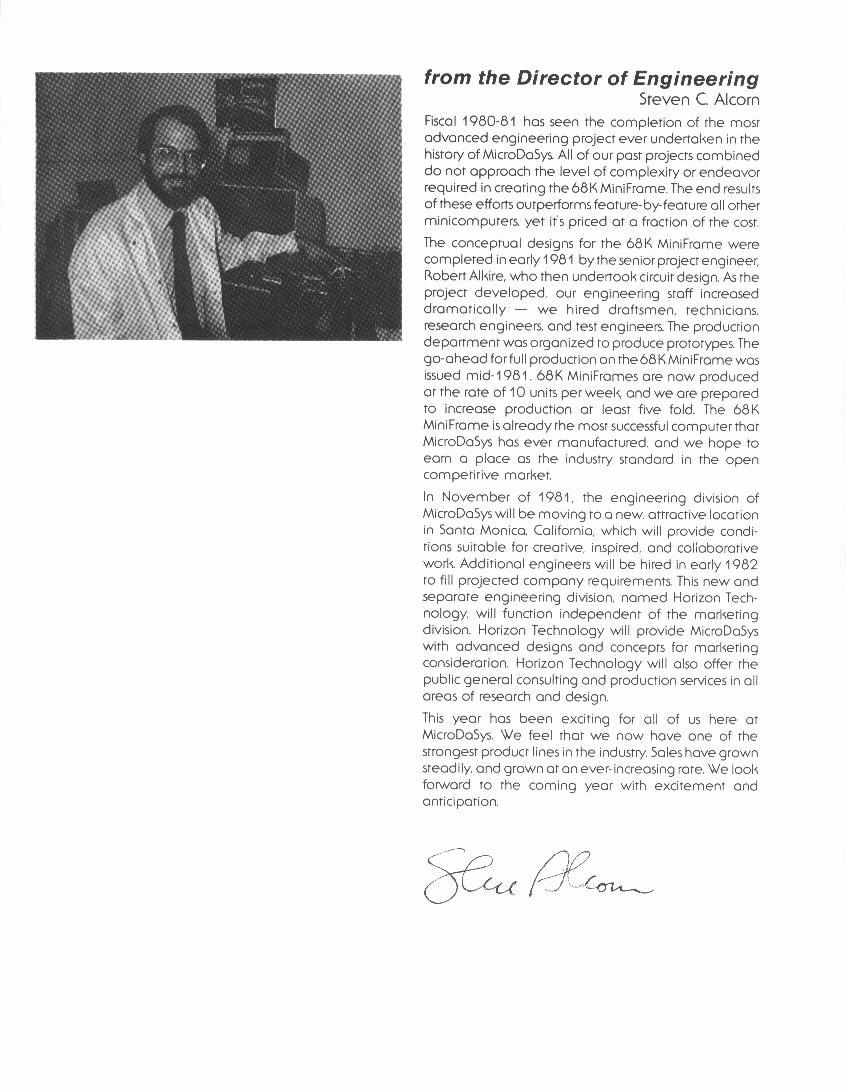
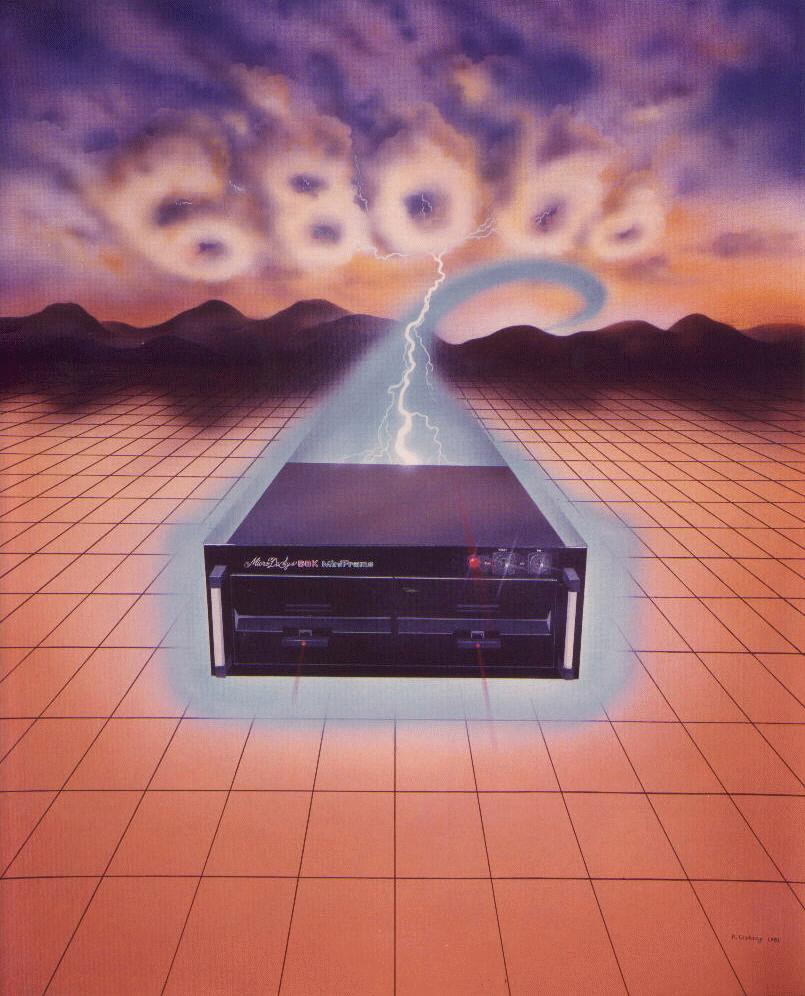
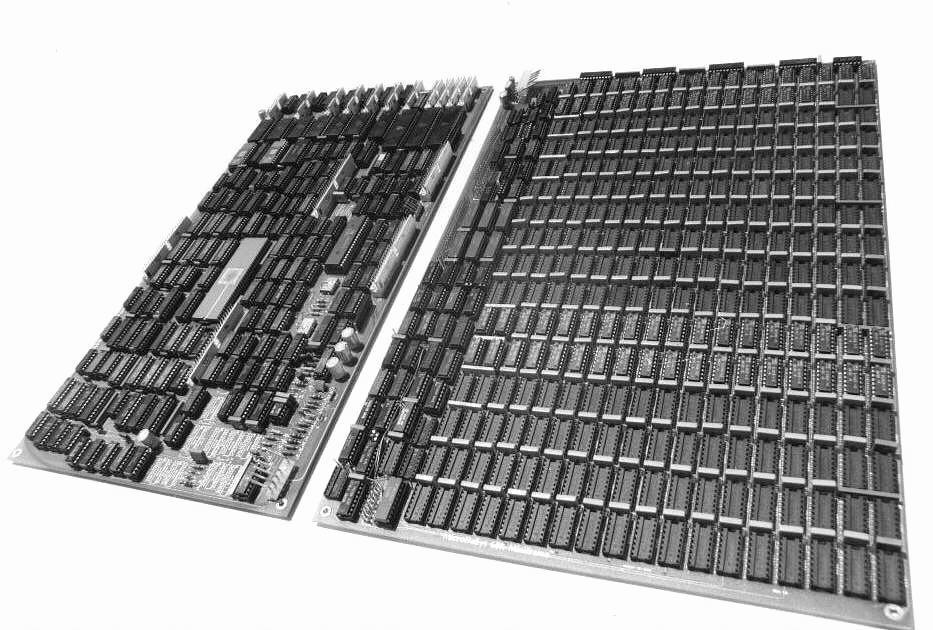
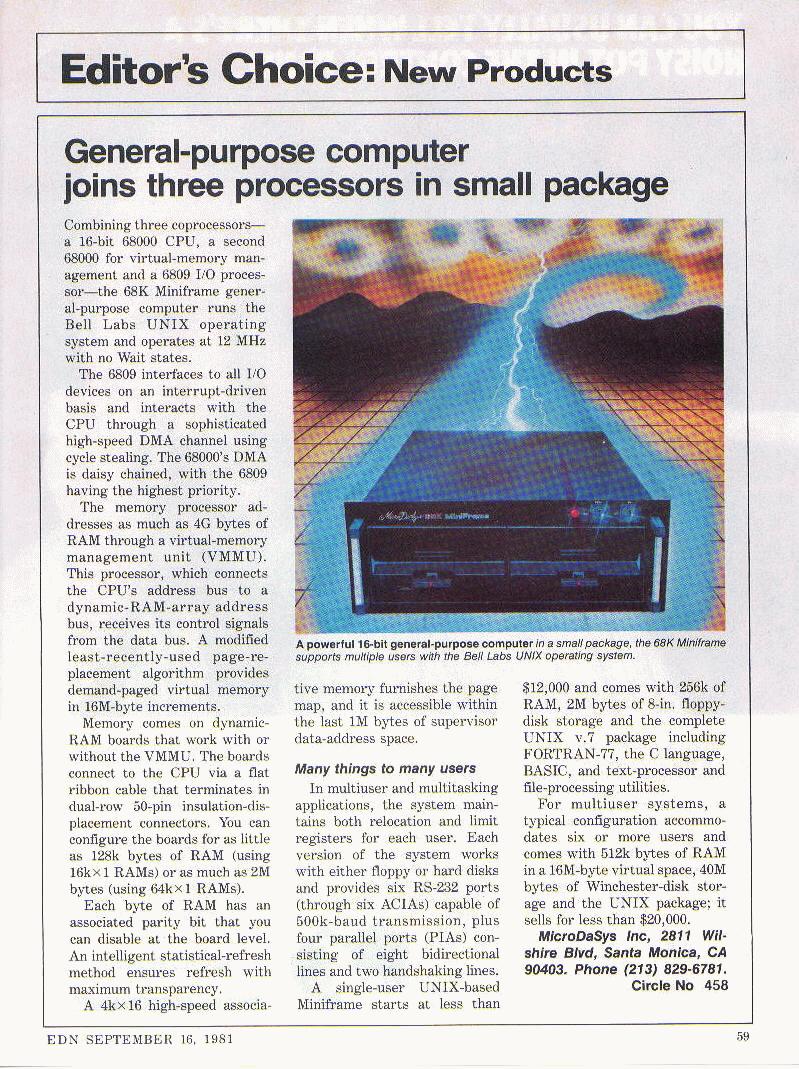
MicroDaSys’ staff in 1980 in front of the house on Manhattan Place that we used as an office.MicroDaSys’ original products were S-100 bus boards, sold mostly as kits. This was our first board, the MD-690A, a 6802-based S-100 card.This was an I/O board.Official mascot, Pretty Boy.S-100 cards plugged into a motherboard like this.Our very first system. We bent the keyboard housing’s Lucite panels in my mother’s oven.We were an early developer of BASIC language for microcomputers, modifying the same version that Bill Gates started with.This was our System-1. A big step forward was the custom-designed vacuum-formed case.Jill Weisman in the house on Manhattan Place that we used as an office.Robert Alkire, design engineer, with the boards from the 68K miniframe, the first microcomputer with virtual memory.We combined the board into an 8080-based computer that ran accounting and word processing programs, sold under the brand name “Millie”.This was an annual prospectus we issued in 1981. Unfortunately it didn’t anticipate the impact of IBM’s arrival in the then-new microcomputer market.A report from the Director of Engineering!An ad for our most advanced product, the 68K Miniframe, the first 68000-based computer to incorporate virtual memory.The boards for the 68K Miniframe were BIG. That’s 4 MB of memory, a phenomenal amount at the time.The 68K Miniframe was the editor’s choice in the September 16, 1981 issue of EDN.
Cambrian Systems (1984)
Then from 1982 through 1983 I worked as a consultant on Epcot Center. See the Epcot Page.
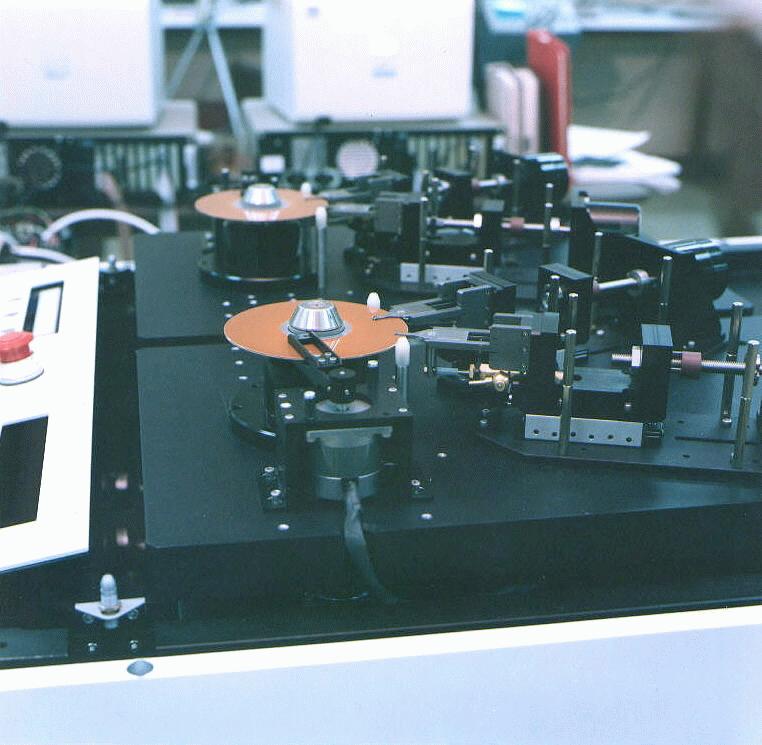
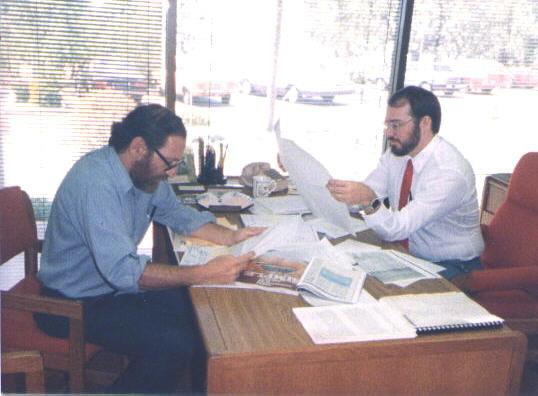
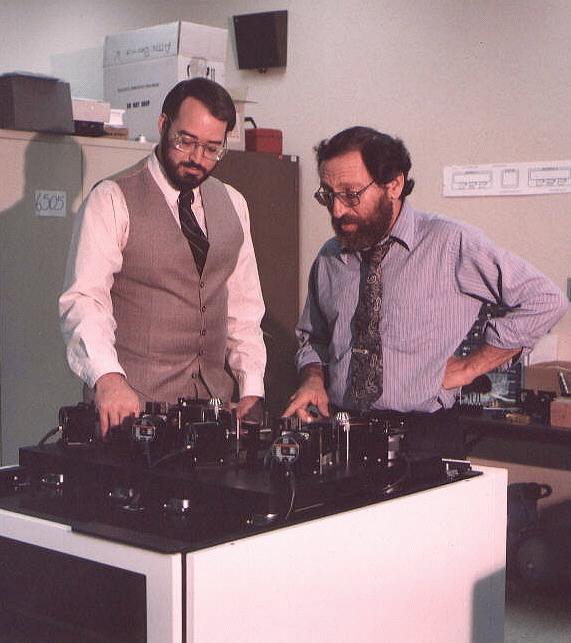
In 1984 I was hired as Director of Engineering for Cambrian Systems, which built half-million dollar hard disk development systems on granite blocks with laser interferometer positioning systems.Bernie Kline, one of my 40 design engineers, in my office.A nattily dressed Steve confers with Bernie Kline about a new design.
Linn Electronics (1984-1986)
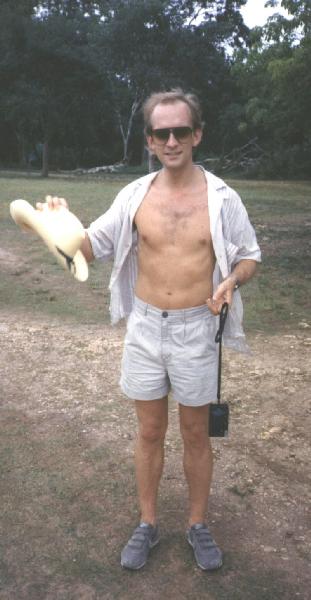
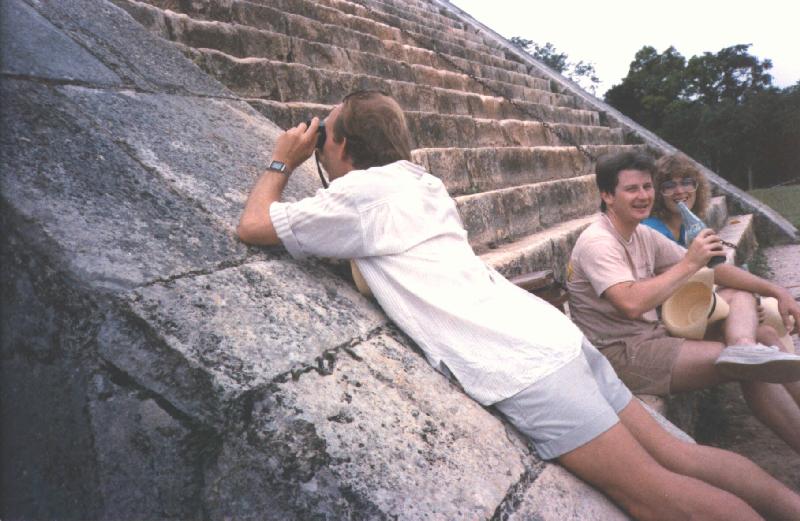
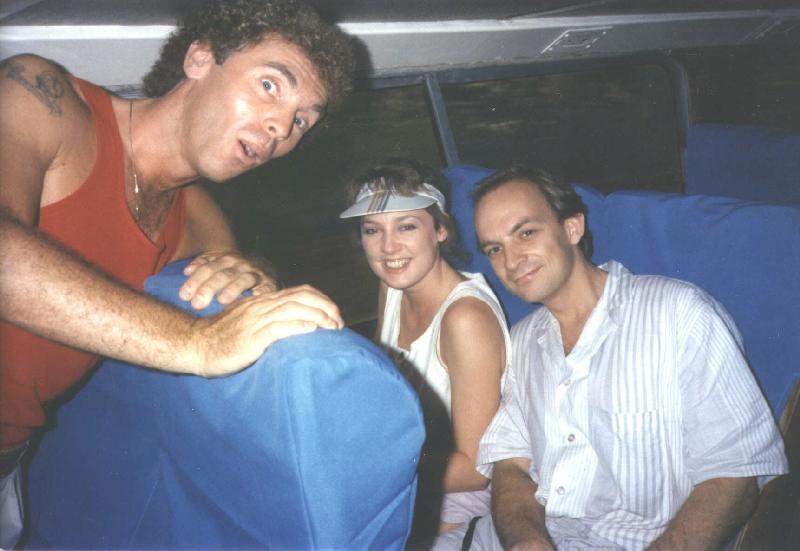
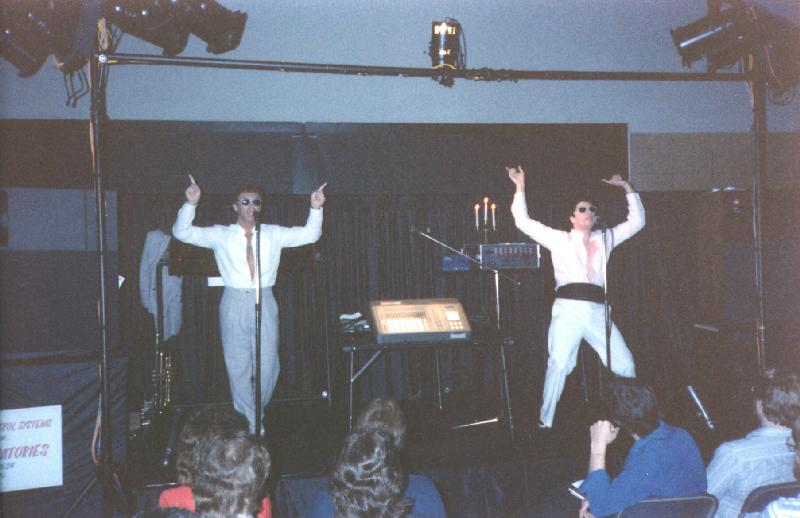
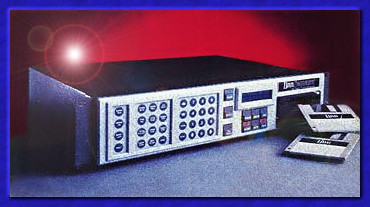
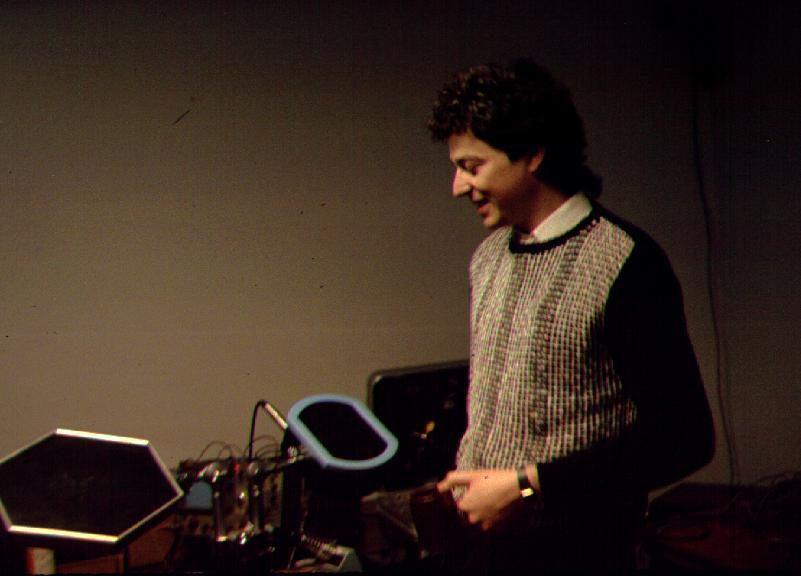
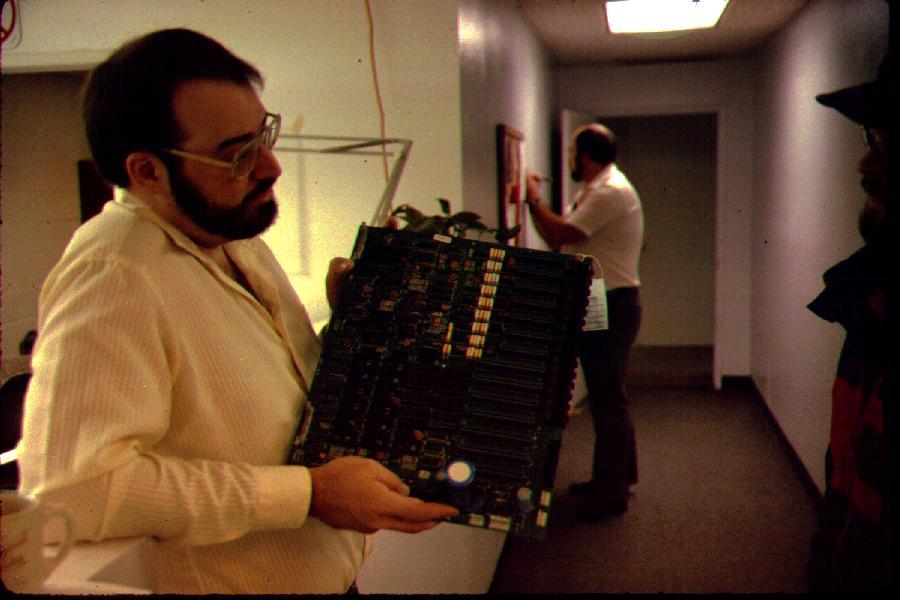
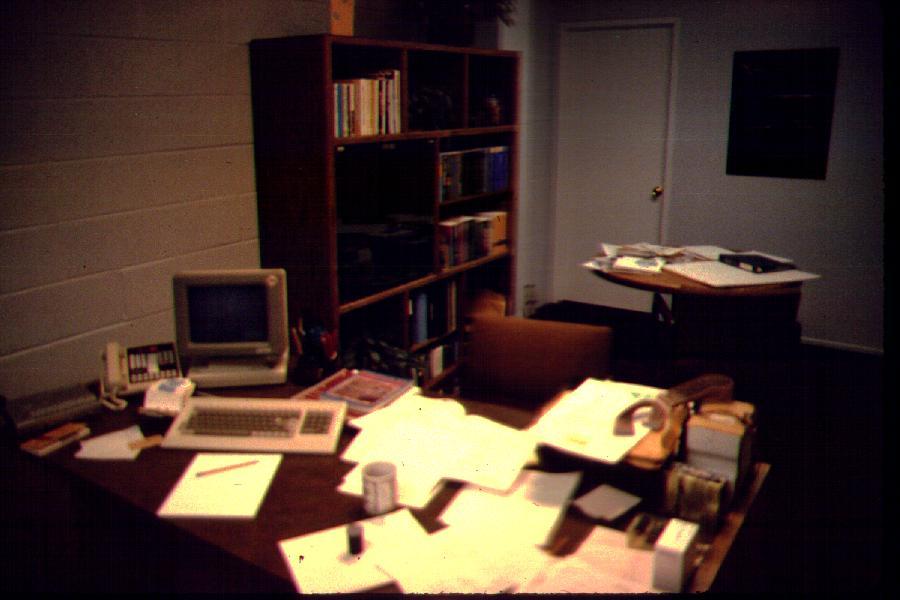
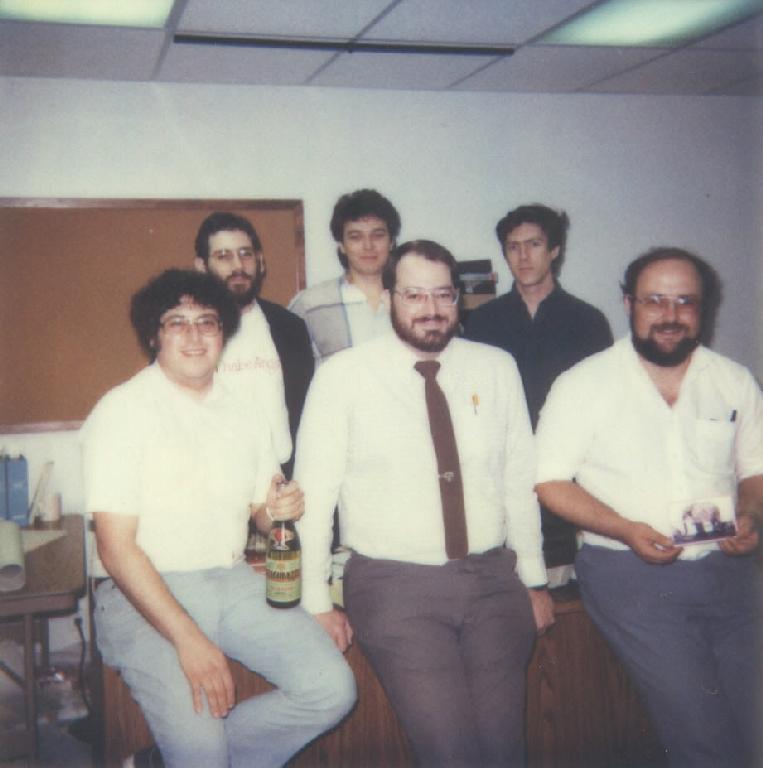
In late 1984 I had the opportunity to go to work for Roger Linn, as Vice President of Engineering and later Chief Operating Officer for Linn Electronics, the developer of the Digital Drum Machine.Roger at Chichenitza in the Yucatan Peninsula after the NAMM show in New Orleans.Bob Conelly, Director of Sales, and Roger Linn.Bob and Billy on stage at the NAMM show, debuting the Linn 9000 Drum Machine and sequencer.The Linn Sequencer.Cliff Elion, one of the design engineers.Steve and Martin at Linn, with circuitry from the Linn Drum Midi Studio.Steve’s office at Linn.The Linn engineering staff.
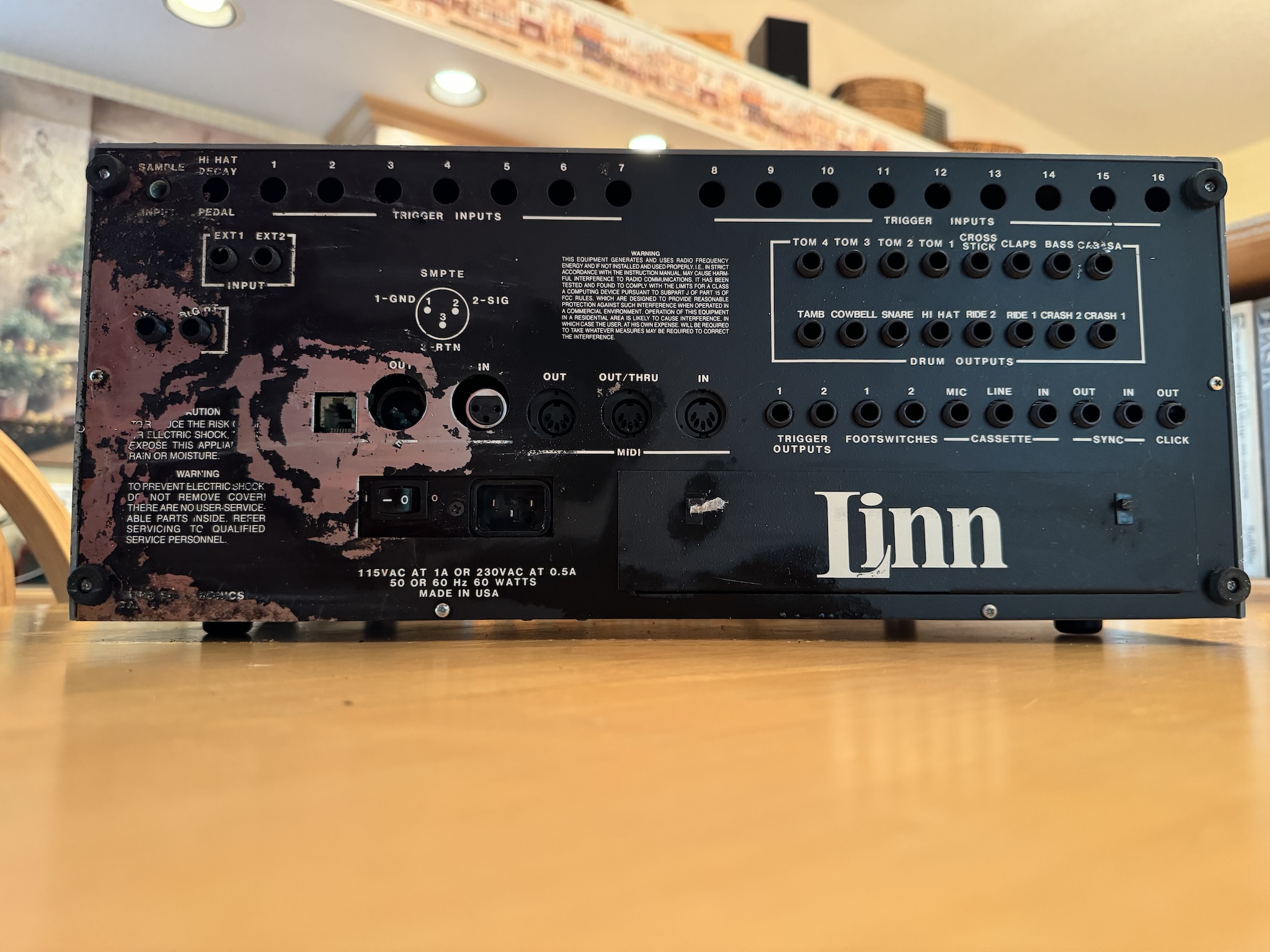
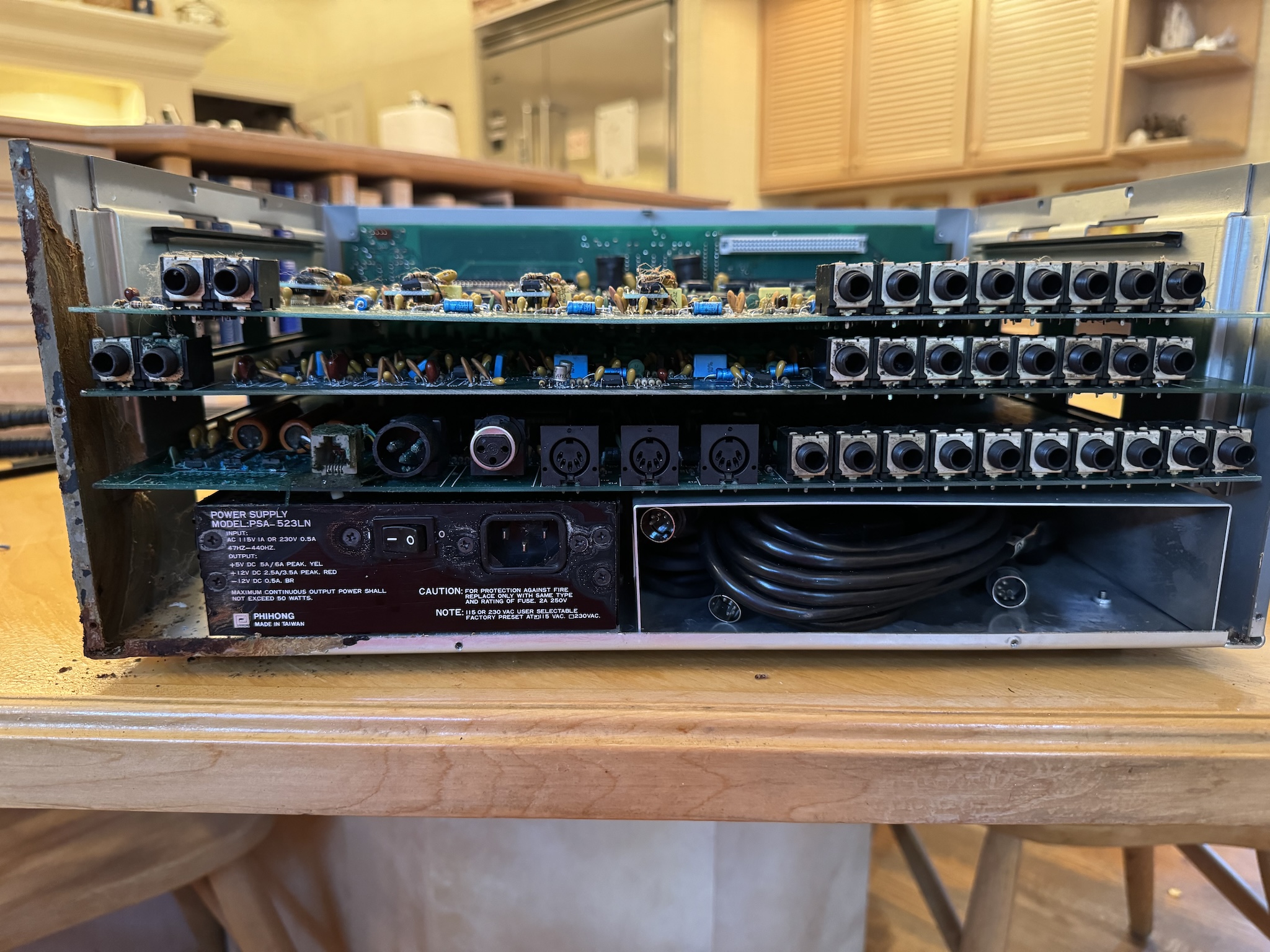
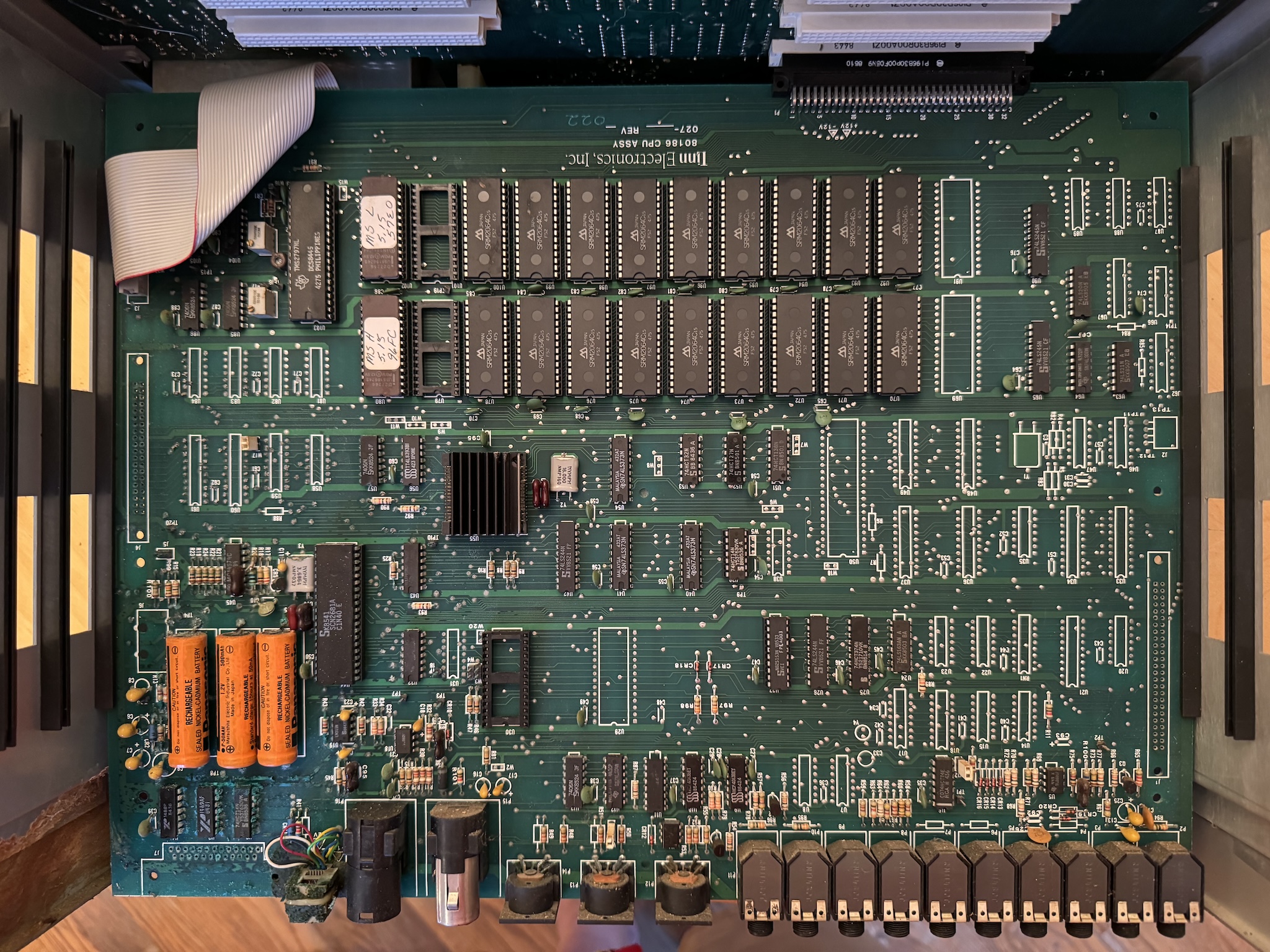
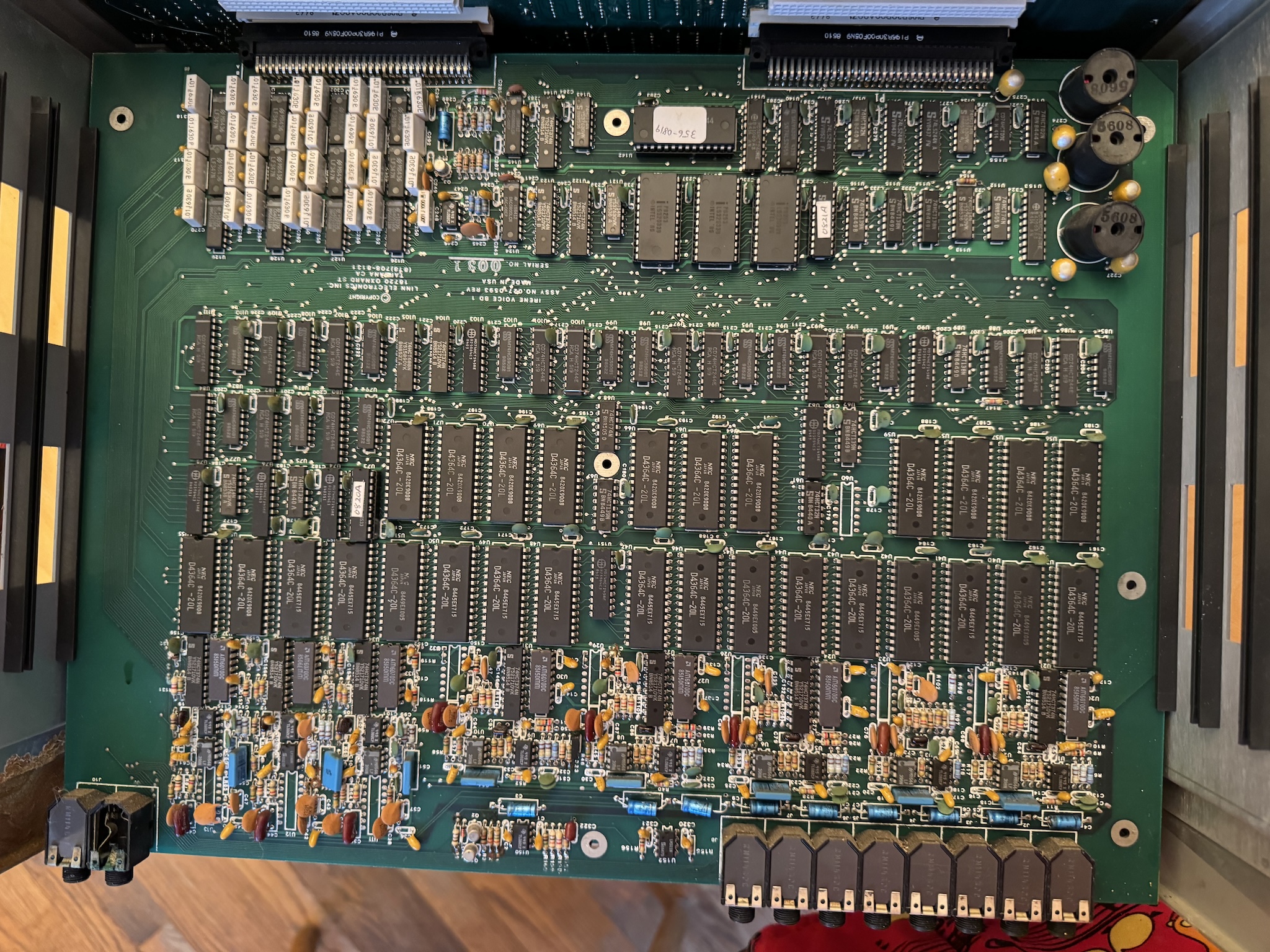
LinnDrum Midi Studio
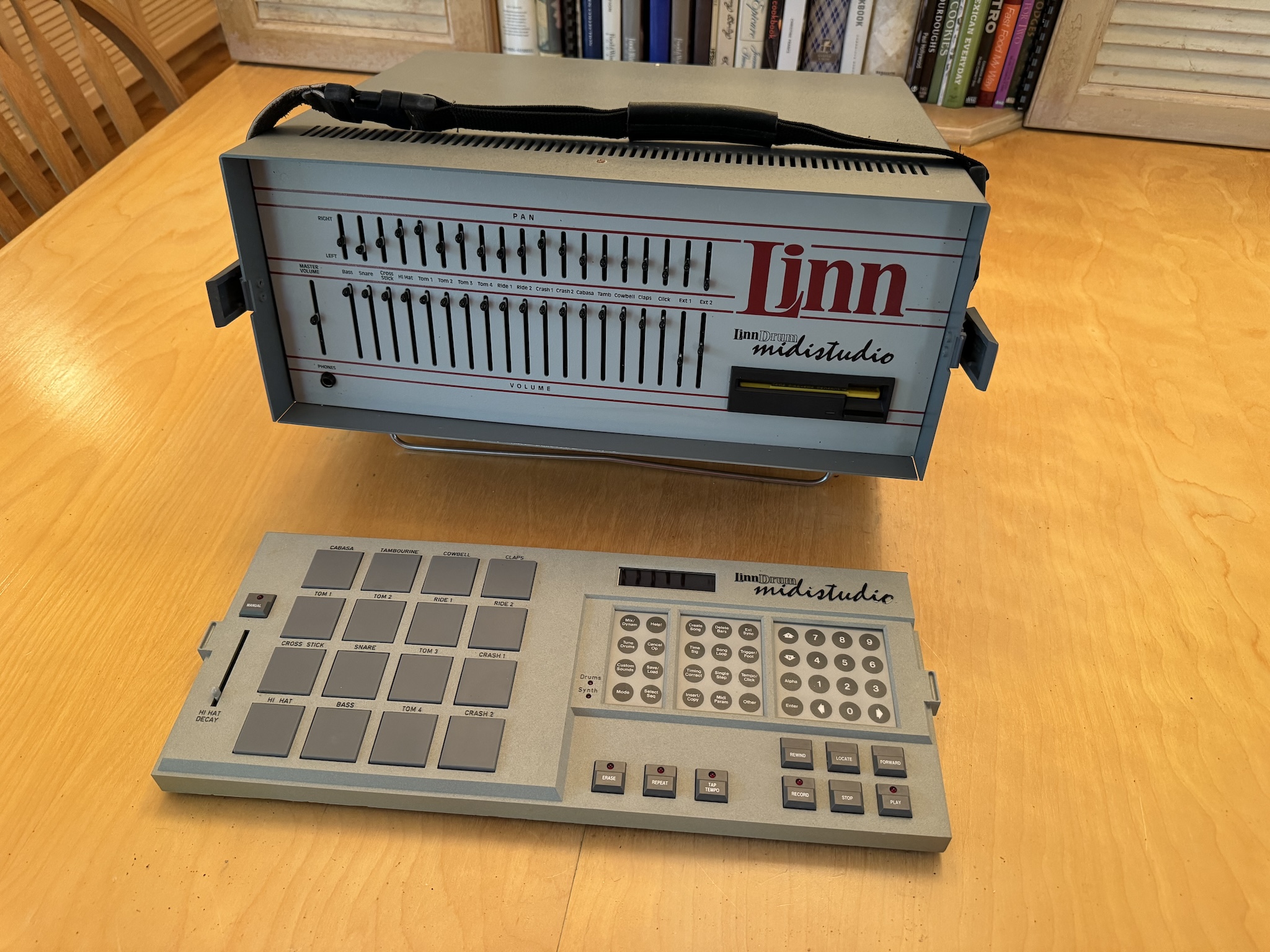
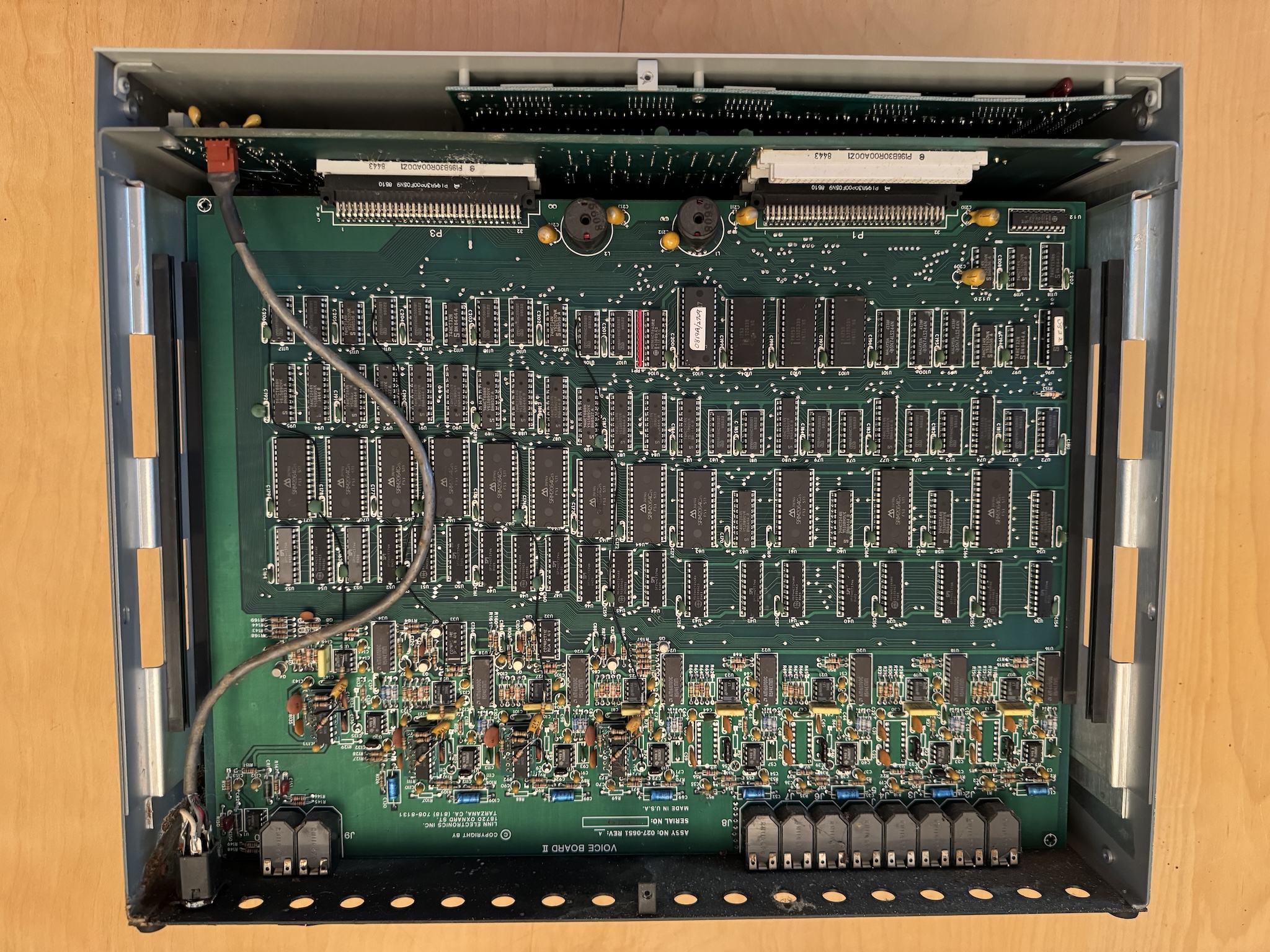
The LinnDrum Midi Studio was an enormous advance in digital drum machine design. It was shown at the NAMM show in early 1986, but Linn closed before it could go into full production. Only two units are known to exist. This is serial number 1:
Front mixer and detachable control panelRear panelRear view showing card stack. From top: external trigger board slot (not installed), voice board 2, voice board 1, controller board, power supply, floppy (front) and cord storage.ControllerVoice board 1Voice board 2
And then on to Alcorn McBride in 1986…
Want to understand how attractions are really designed?
Steve was a consultant to Walt Disney Imagineering on EPCOT and later founded Alcorn McBride, whose show control systems are used in attractions worldwide. His Theme Park Design Workshop walks through the creative and technical process behind themed entertainment.